Tracing Classic into the Futuristic Transformation of Gentlemen’s Styling Trends Through the Years
Wiki Article
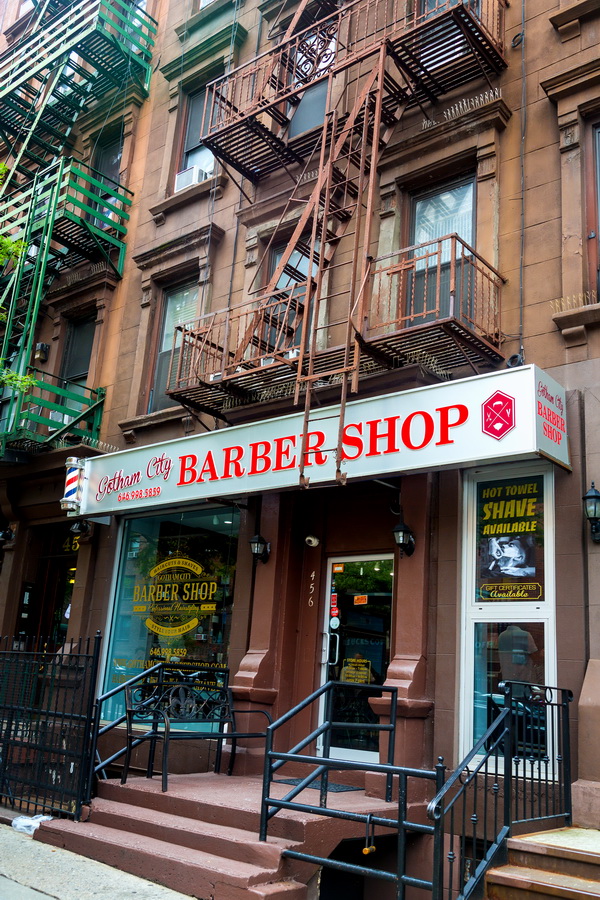
Male grooming has experienced a remarkable transformation throughout the decades, reflecting changes in cultural norms, technology, and personal expression. In the early twentieth era, men’s grooming was characterized by a focus of sophistication and discipline. Traditional barber shops served as community hubs where clients gathered not only for a trim and cut but also for conversation and companionship. Styling products such as hair creams, lathers, and colognes were mainstays, emphasizing neatness and professionalism. This classic period set the groundwork for grooming as an important part of appearance and self-assurance.
As the middle 20th era arrived, male grooming started to reflect broader cultural movements. The influence of cinematic figures such as James Dean and famous stars shaped standards of manhood and personal presentation. Haircuts turned into symbols of identity, with trends like greased styles, military cuts, and side parts achieving popularity. The invention of electric razors and aftershave lotions made daily habits more efficient, combining practicality with personal style. During this period, grooming grew more widespread, with mass-market manufacturers introducing reasonably priced products that enabled men keep a polished look without professional help.
The late twentieth century signaled a distinct phase in the evolution of men’s grooming. The rise of the fitness and self-care movements introduced increased focus to total appearance and cleanliness. Men started to embrace skin treatments, fragrances, and hairstyling formulas more openly, inspired by advertising and celebrity culture. This era also saw the growth of style publications and grooming features on television, which motivated men to show a more engaged interest in their style. The concept of manliness expanded to embrace self-care, promoting men to view grooming as a symbol that site of confidence rather than superficiality.
With the advent of the technological age, male grooming moved into a technologically driven shift. Online guides, social media creators, and brand promotions reshaped how individuals discovered and developed care habits. Membership grooming services, innovative skincare solutions, and smart devices became part of daily routines. Brands now highlight inclusivity and self-expression, promoting varied styles that cater to each lifestyle—from smooth-faced professionals to those favoring beards and natural styles. Technology has enabled men to get professional advice quickly, personalizing their care habits like previously review unseen.
Today, male grooming continues to advance as it balances heritage with modernity. Modern individuals value these details authenticity and functionality, pursuing products that match with both their identity and lifestyle. Sustainable grooming practices and responsibly made products are now at the center, indicating a growing awareness of ecological impact. What began as a basic routine of shaving and barber visits has developed into a comprehensive field of personal care. The progression of male grooming not only reflects cultural progress but also demonstrates how appearance remains a enduring representation of individuality.